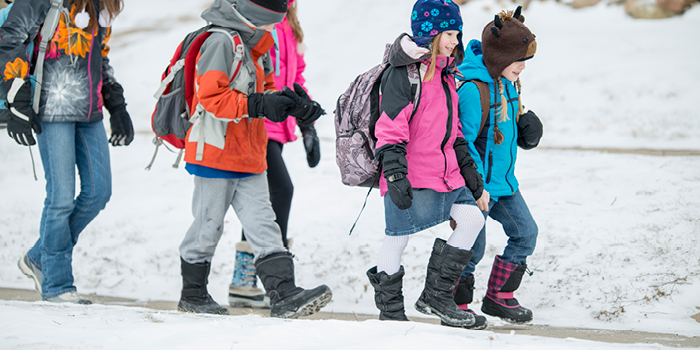
As winter approaches, schools face unique challenges in ensuring the safety of students, staff, and facilities. By following these winter safety tips, you can create a safer environment for everyone and keep learning on track, no matter the weather.
Winter safety tips for everyone
- Take action to prevent slips and falls
Snow and ice can lead to accidents, so it's essential to keep sidewalks, stairs, and parking lots clear and salted. Slippery surfaces pose a significant risk, especially for young students who might not watch where they step. - Prepare for cold weather changes
Winter weather can be unpredictable. Encourage students to dress in layers and wear appropriate gear like hats, gloves, and boots. Limit outdoor activities during extreme cold and monitor the weather closely, being ready to move recess or gym classes indoors when temperatures drop to unsafe levels. - Communicate transportation safety plans
Icy roads can make bus routes hazardous. Communicate clearly with parents and staff about any delays or early dismissals due to bad weather. Establish a system to quickly notify families when conditions change. - Update your emergency preparedness plan
Winter storms can lead to power outages or require early dismissals, so it’s vital to have an updated emergency plan. Ensure that students and staff know the shelter-in-place procedures and how to respond during a power failure. Keep emergency supplies, such as blankets, flashlights, and batteries, on hand as a precaution.
Winter safety tips for employees
- Equip employees with slip-resistant footwear
School staff, especially those who work outside or in common areas like cafeterias, should wear slip-resistant shoes during winter. This helps reduce the risk of slipping on icy or wet surfaces, particularly when rushing to classrooms or supervising students. - Monitor winter recess and outdoor activities
Teachers and playground monitors need to be vigilant during winter recess. Ensure that students are wearing appropriate winter gear and watch for signs of frostbite or hypothermia. Consider shortening outdoor recess on extremely cold days and move activities indoors if wind chill becomes dangerously low. - Increase supervision during indoor time
Winter often means more time indoors for students, whether during recess or after-school programs. With more students in confined spaces, the risk of bullying or accidents can rise. Encourage staff to increase supervision during these times, especially in crowded hallways, lunchrooms, and indoor play areas, to prevent incidents. - Stay alert for winter illnesses
Cold weather can bring an uptick in illnesses like colds and flu. Promote good hygiene practices among students and staff—regular handwashing, using hand sanitizer, and reminding everyone to cover their coughs and sneezes. Maintaining a healthy environment is just as crucial as managing safety.
Winter safety tips for schools
- Regularly clear snow and ice from your facilities
Facilities staff should regularly clear and salt parking lots, walkways, and entrances to prevent accidents. Ensure enough de-icing materials are on hand and closely monitor the weather to stay ahead of storms. - Maintain roofs and structures to prevent damage
Heavy snow can stress roofs, leading to leaks or even collapses. Facilities teams need to inspect roofs regularly and remove excess snow to avoid structural damage. Additionally, check gutters and downspouts to prevent ice buildup that could cause flooding. - Schedule maintenance for heating systems and air quality
Regular maintenance of boilers, furnaces, and HVAC systems helps prevent breakdowns and keeps classrooms warm. Proper ventilation is important for good indoor air quality, so check air filters and ensure carbon monoxide detectors are functioning. - Prevent frozen pipes in your building
Extreme cold can cause pipes to freeze and burst, resulting in costly water damage. Insulating pipes in unheated areas and monitoring vulnerable spots can help prevent freezing. Keeping faucets dripping slightly can also mitigate the risk. - Ensure backup power systems are ready for winter
Winter storms often lead to power outages, so ensure your school’s backup generators are operational. Check emergency lighting to help students and staff safely navigate the building in case of an outage
Loading...
Loading...