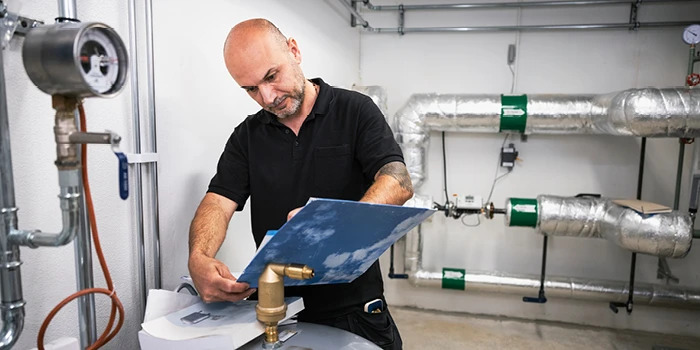
Comfortable classrooms don’t happen by accident. Behind the scenes, HVAC systems work hard to regulate temperature, manage humidity, and circulate fresh air. When they’re neglected, small issues can quickly turn into costly disruptions.
Here are some tips to help school leaders better understand HVAC maintenance, and why it matters.
What is HVAC maintenance?
HVAC maintenance is the routine inspection, cleaning, and servicing of heating, ventilation, and air conditioning systems to keep them operating safely and efficiently.
In a school setting, these systems run for long hours and support large groups of students and staff. Preventive maintenance is simply the process of checking components regularly so minor wear and tear doesn’t turn into system failure.
Think of it like routine maintenance on a school bus. You wouldn’t skip oil changes and hope for the best. HVAC systems require the same proactive care.
Why HVAC maintenance is important
Schools depend on consistent indoor comfort and air quality. When HVAC systems struggle, the impact is immediate.
Routine maintenance helps schools:
- Maintain healthy indoor air quality
- Regulate classroom temperatures
- Reduce energy consumption
- Prevent unexpected breakdowns
- Extend the life of expensive equipment
For example, a dirty air filter may seem minor, but it restricts airflow and forces the system to work harder. Over time, that strain can lead to overheating, higher utility bills, or equipment failure.
Beyond comfort, poorly maintained systems can contribute to ventilation issues, moisture buildup, or water leaks—all of which can create larger operational and liability concerns.
Preventive care supports both student well-being and business continuity.
What does HVAC maintenance include?
While tasks vary depending on equipment and building size, common maintenance activities include:
- Replacing or cleaning air filters
- Inspecting motors, belts, and electrical connections
- Cleaning evaporator and condenser coils
- Checking refrigerant levels
- Inspecting ductwork for leaks
- Testing thermostats and system controls
- Clearing drain lines to prevent water damage
Professional inspections are typically recommended before peak heating and cooling seasons. Facilities teams may handle basic tasks in-house (as long as they’re trained), while licensed contractors address more technical components.
Documenting completed maintenance can support warranty requirements and long-term capital planning.
And don’t forget to routinely assess technology opportunities. Some devices can provide ongoing system insights and even notify teams if performance goes outside of acceptable ranges. This active monitoring can help immediately identify maintenance opportunities and further minimize the likelihood of a breakdown.
How often do I need HVAC maintenance?
Most school HVAC systems should receive professional inspections at least twice per year—typically in the spring for cooling systems and in the fall for heating systems.
In addition:
- Air filters may need to be replaced every 1–3 months, depending on building usage
- High-traffic areas like gyms and cafeterias may require more frequent checks
- Older systems may need closer monitoring
Creating a clear maintenance schedule and assigning responsibility helps prevent tasks from being missed during busy school months.
How much is HVAC maintenance?
The cost of HVAC maintenance varies based on building size, system complexity, and service provider. However, preventive maintenance is generally far less expensive than emergency repairs or full system replacement.
A structured maintenance plan can provide:
- Scheduled inspections so nothing is overlooked
- Priority service during peak seasons
- More predictable budgeting
- Documentation to support warranty compliance
Without routine maintenance, schools risk:
- Emergency service calls during extreme weather
- Costly component failures
- Water damage from clogged drains
- Classroom relocations or temporary closures
When weighing the cost, it’s helpful to compare it to the potential impact of a mid-winter heating failure or a cooling outage during summer programs. The disruption alone can outweigh the annual maintenance expense.
For many schools, maintenance plans offer consistency, peace of mind, and stronger long-term cost control.